According to the office of disease prevention and health promotion ODPHP, heart disease is the leading cause of death in the United States. Stroke is the fifth leading cause of death in the United states. These two health conditions are the most widespread health problems in the nation and account for approximately $320 billon in health expenditures and related expenses annually.1 The purpose of this blog is to create awareness of these two conditions, partner with the local Methodist churches within Staunton, Virginia to screen patients for risk factors, refer those identified appropriately and educate the people on various aspects of heart disease and stroke. The Methodist church has been over the years been educating and promoting health education on health conditions of importance in their communities.
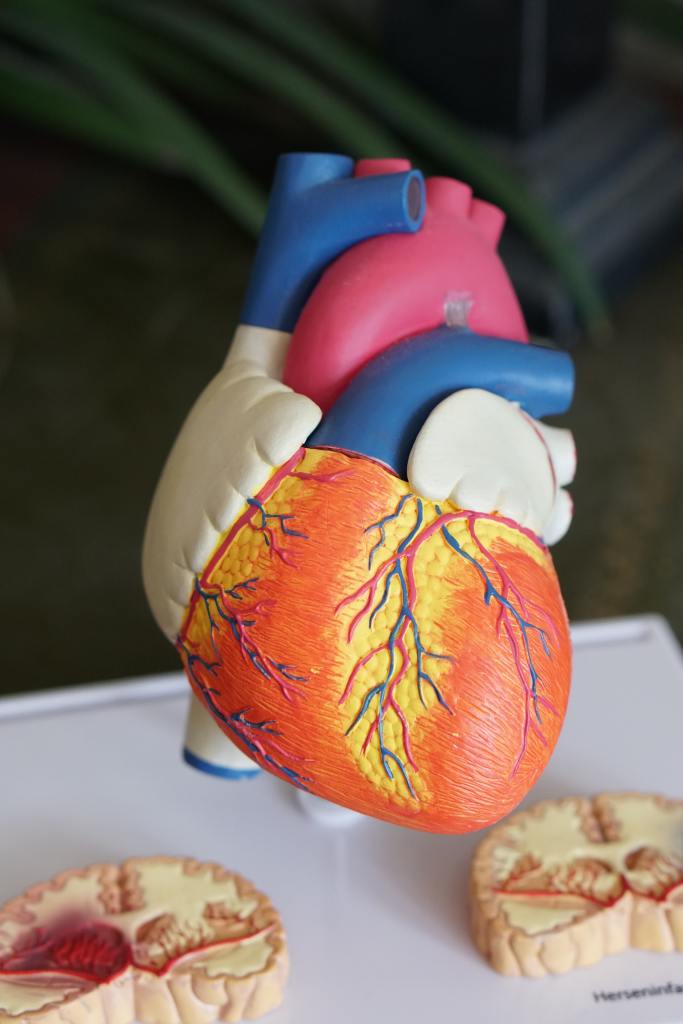
Heart Disease
Currently 1 in every 3 Americans live with one or more types of heart disease. Due to the high prevalence of the disease and variety of causes, every adult in the nation is at risk and needs to be informed of the possible causes, prevention, identification, and treatment.1 The leading controllable factors to heart disease include high blood pressure, high cholesterol, cigarette smoking, diabetes, unhealthy diet, physical inactivity and overweight and obesity.1
Stroke Disease
Stroke occurs when a blood vessel in the brain becomes blocked or bursts causing brain injury and can sometimes cause death. There are two types of strokes:
Ischemic stroke: This is the most prevalent accounting for 80-85% of all the strokes in the United States. Blood supply to a part of a brain gets blocked by a blood clot preventing oxygen and nutrients from reaching brain cells and these cells begin to die within minutes.2
Hemorrhagic stroke: This occurs when blood leaks from raptured blood vessels to the surrounding tissues. This causes pressure from the tissues and mostly results from high blood pressure.2
The common risk factors to stroke include family history, age (risk doubles every 10 years after age 55), gender (more in men before age 55) previous history of strokes, race (higher in African Americans), high blood pressure, cardiovascular disease, cigarette smoking, diabetes obesity, inactivity and undesirable blood cholesterol levels.2
1.Office of Disease prevention and health promotion. Heart disease and stroke. Healthy people 2020. Accessed on January 24,2021. https://www.healthypeople.gov/2020/topics-objectives/topic/heart-disease-and-stroke
2. Neurology and neurosurgery. Stroke. University of San Francisco. Accessed on January 242,2021. https://www.ucsfhealth.org/conditions/stroke
3. Robina Weermeijer. Heart model. Unsplash. Accessed on January 24,2021. https://unsplash.com/photos/NIuGLCC7q54
 Health Line